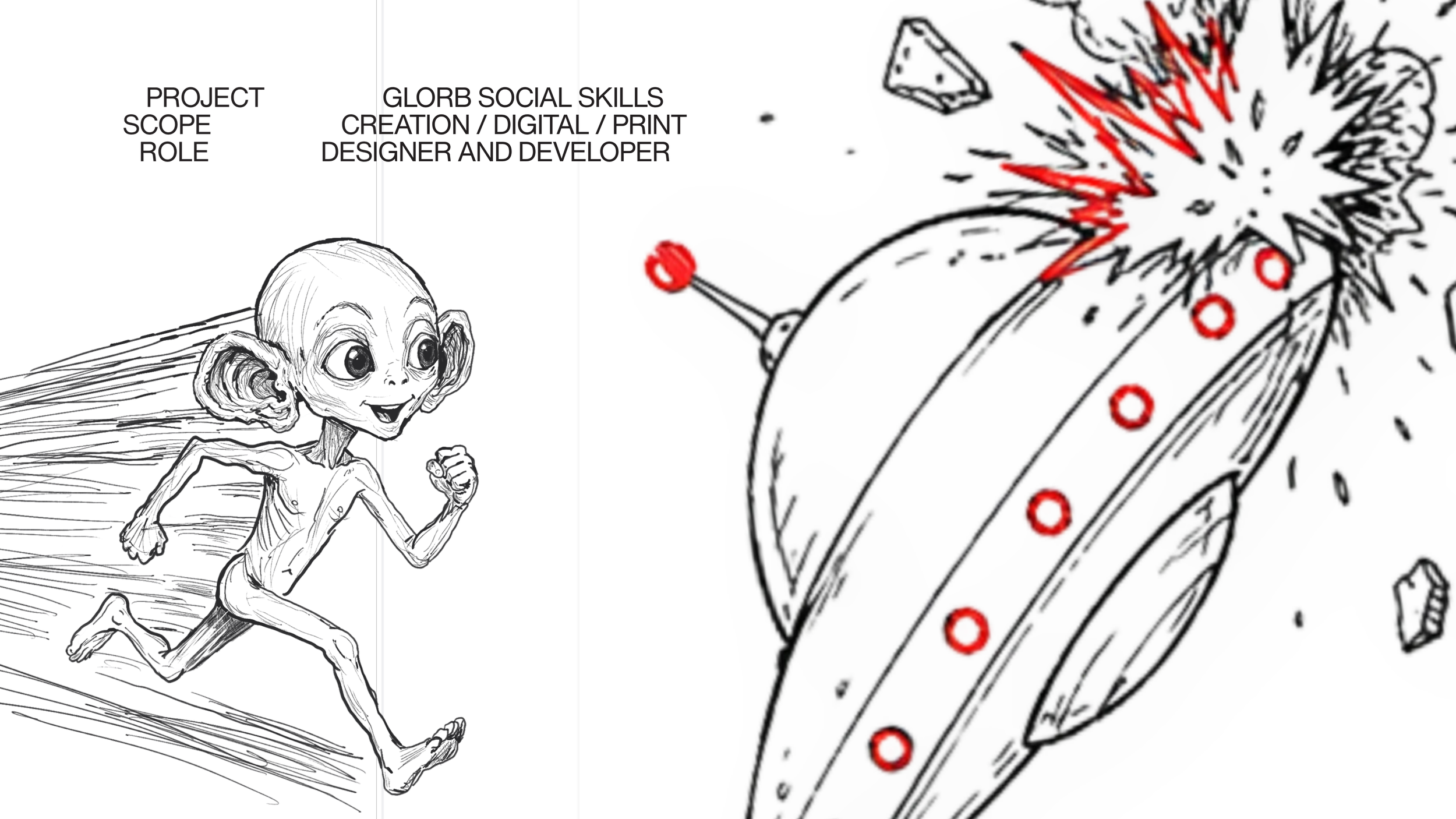
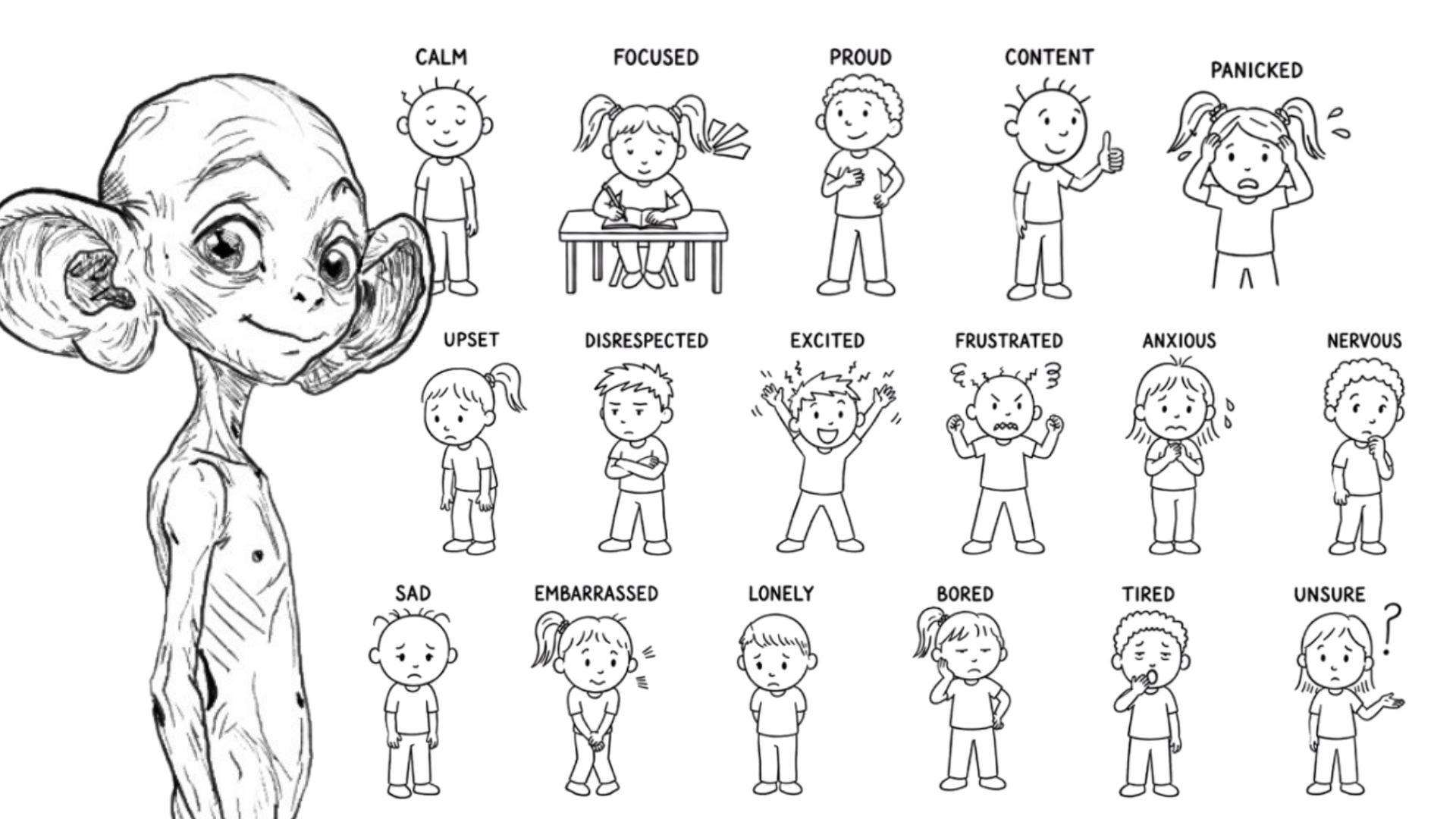
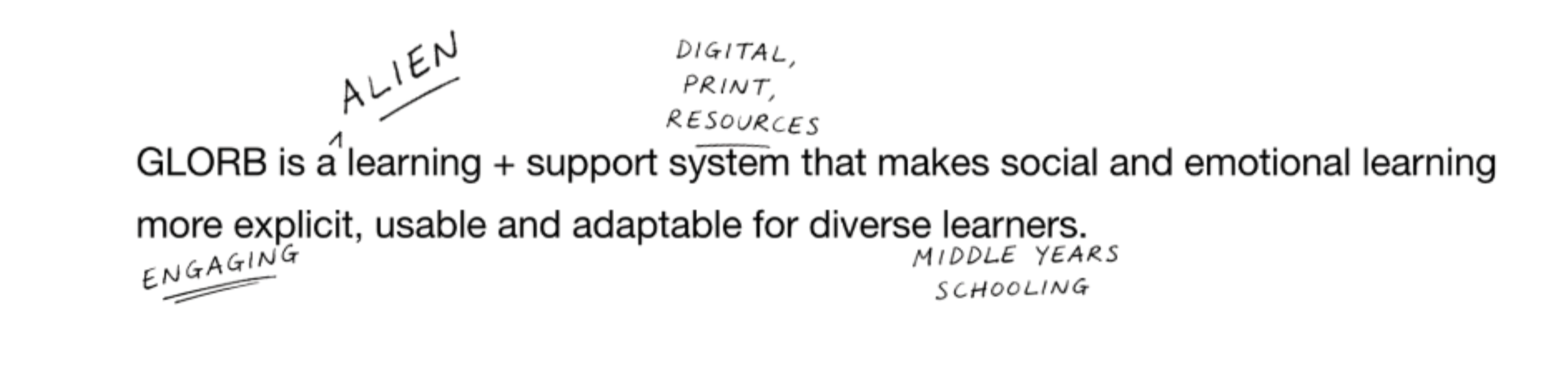

Older learners needed explicit social and emotional instruction without resources that felt too young.
GLORB began as a ten-week curriculum adjustment for an upper-primary learner who needed direct teaching, modelling and guided practice.
Existing resources felt too young and disconnected from his interests
The learning needed to respect his age, ability and dignity
Skills needed to move beyond discussion into guided practice
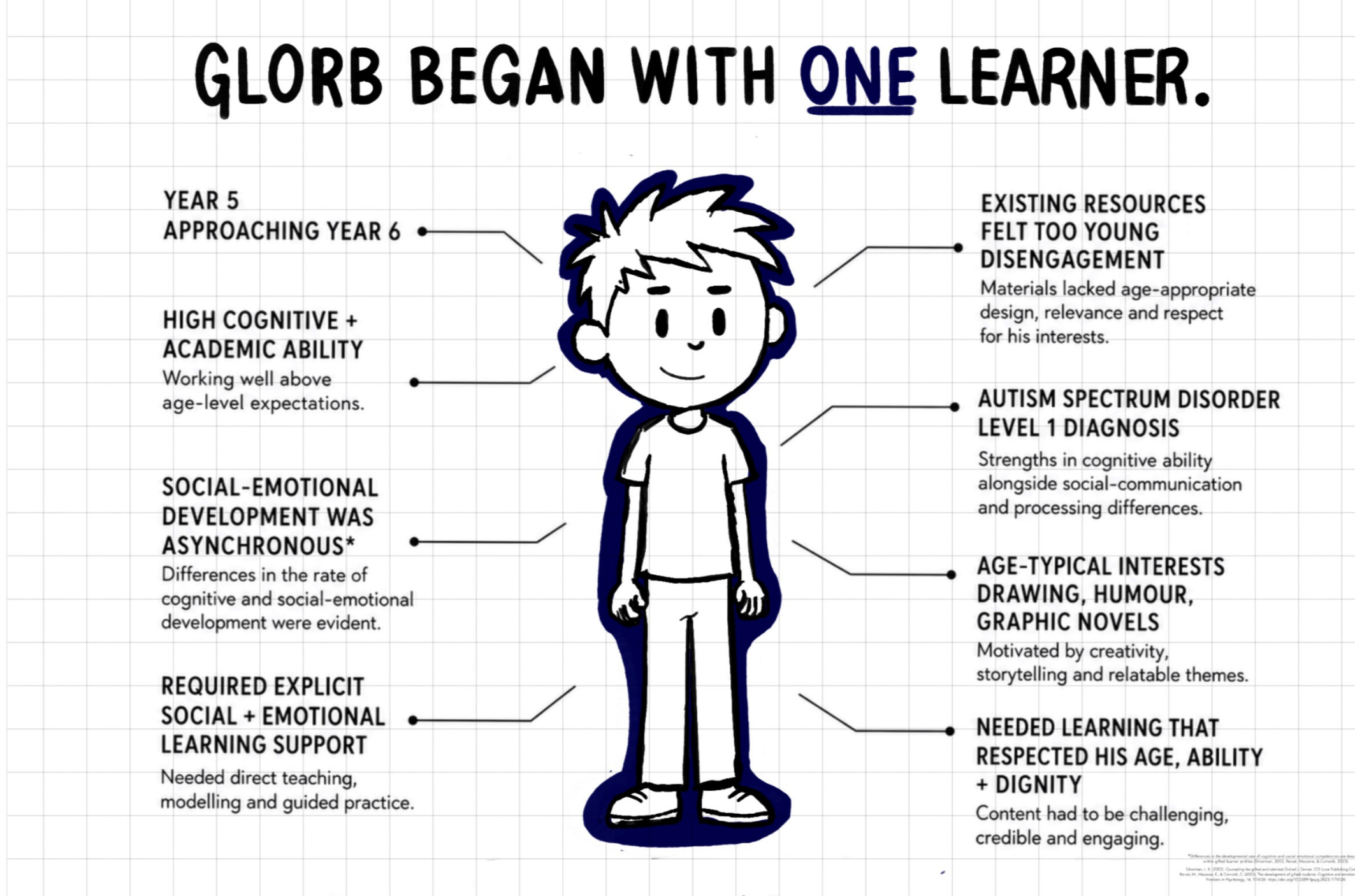
The learner’s needs informed the original GLORB learning program.
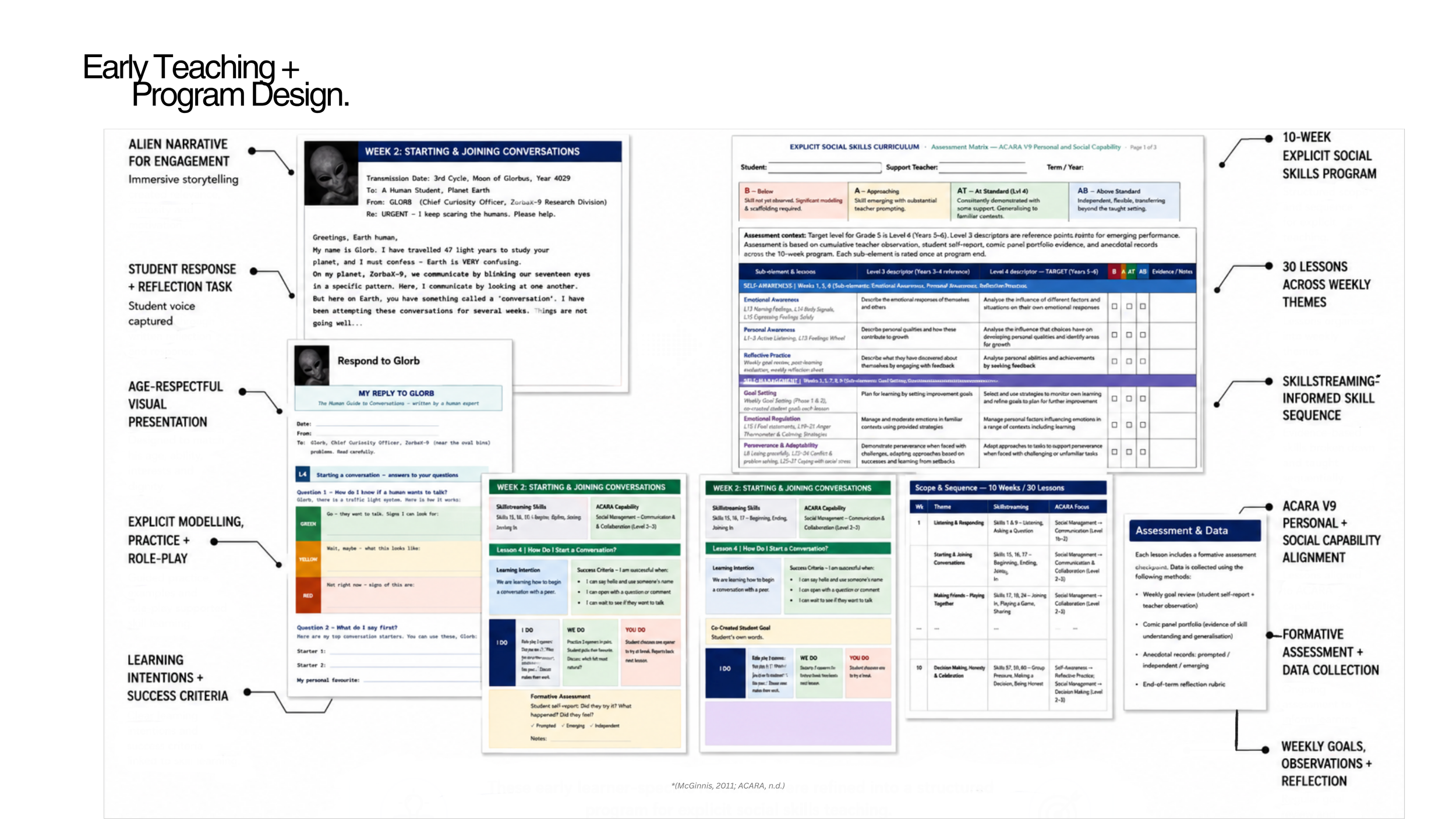
Initial implementation indicated a broader need.
The learner and his parents responded positively to the program
Other teachers requested access for their own students
Research shows social and emotional learning is:
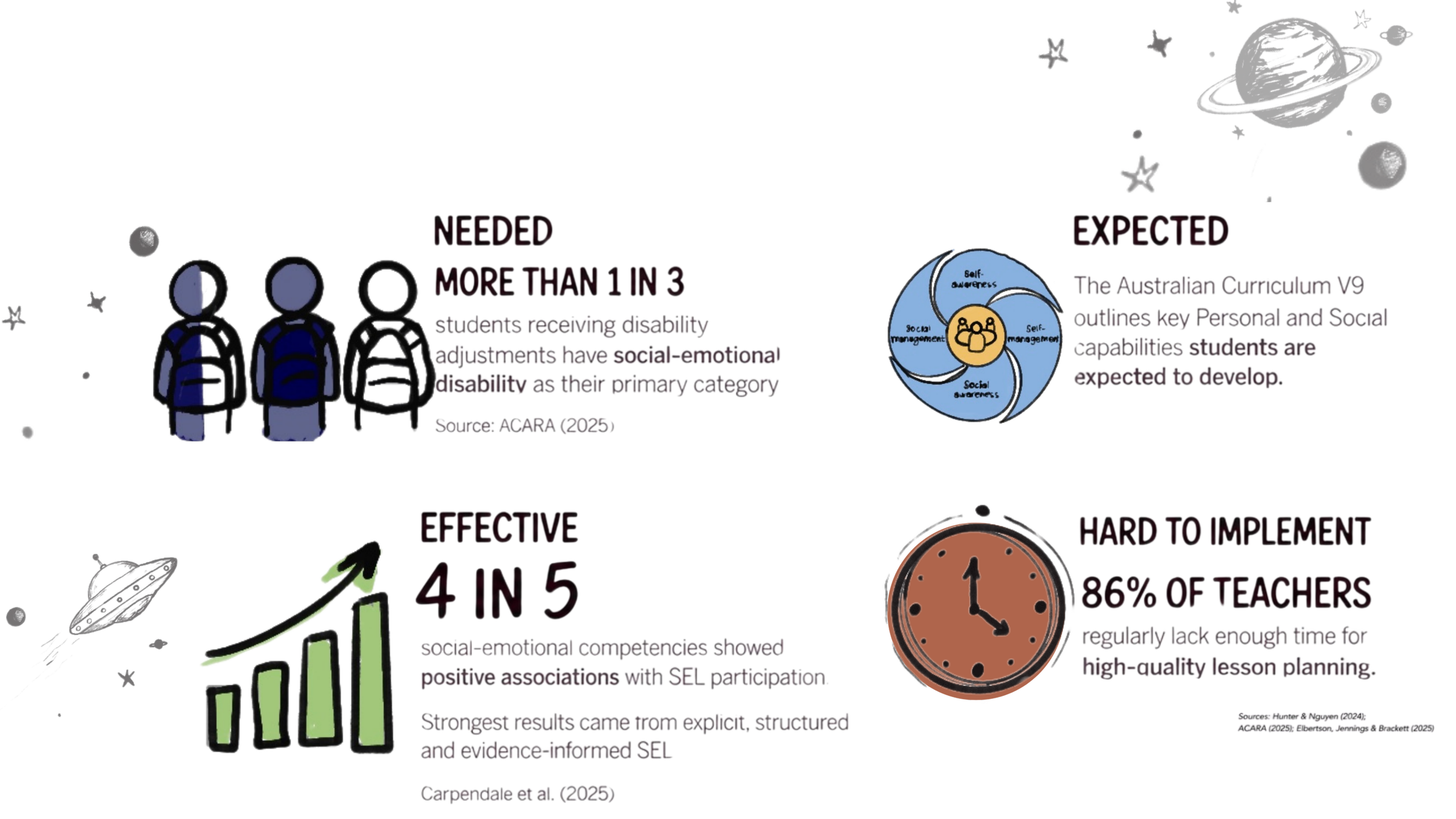
The system needed to work beyond one learner.
References +
ACARA. (2025). School students with disability 2025. Australian Curriculum, Assessment and Reporting Authority.
Hunter, J. A., & Nguyen, B. (2024). Forever feeling guilty: How ineffective curriculum planning approaches can exacerbate teacher workload and undermine professional satisfaction. Curriculum Perspectives, 44, 573–577.
Elbertson, N. A., Jennings, P. A., & Brackett, M. A. (2025). The role of educators in school-based social and emotional learning. Social and Emotional Learning: Research, Practice, and Policy, 6 , 100134.
Carpendale, E. J., Green, M. J., Dix, K. L., Tzoumakis, S., Williams, K. E., White, S. L. J., et al. (2025). An exploratory evaluation of universal social-emotional learning programs delivered during elementary school to Australian students. Journal of School Psychology, 110, 101447.
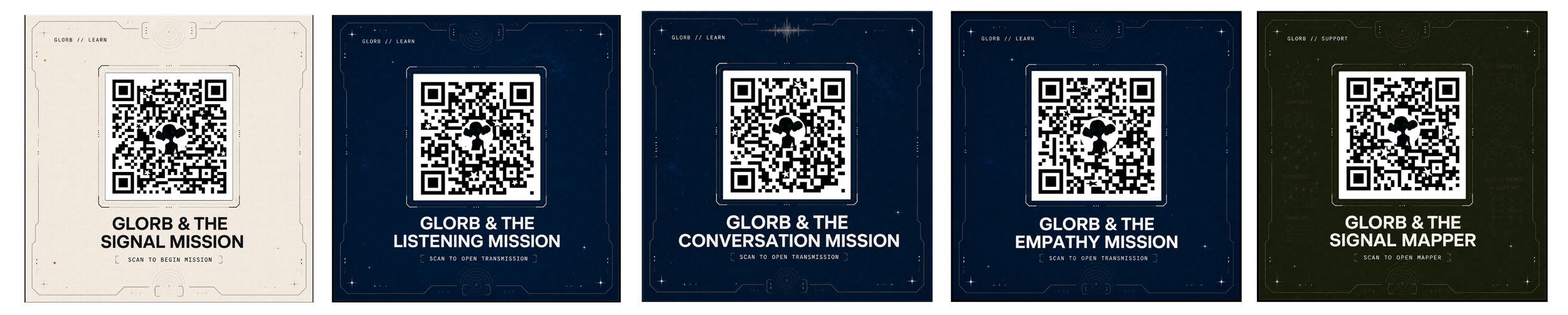
Scan to try the shipped GLORB web experiences
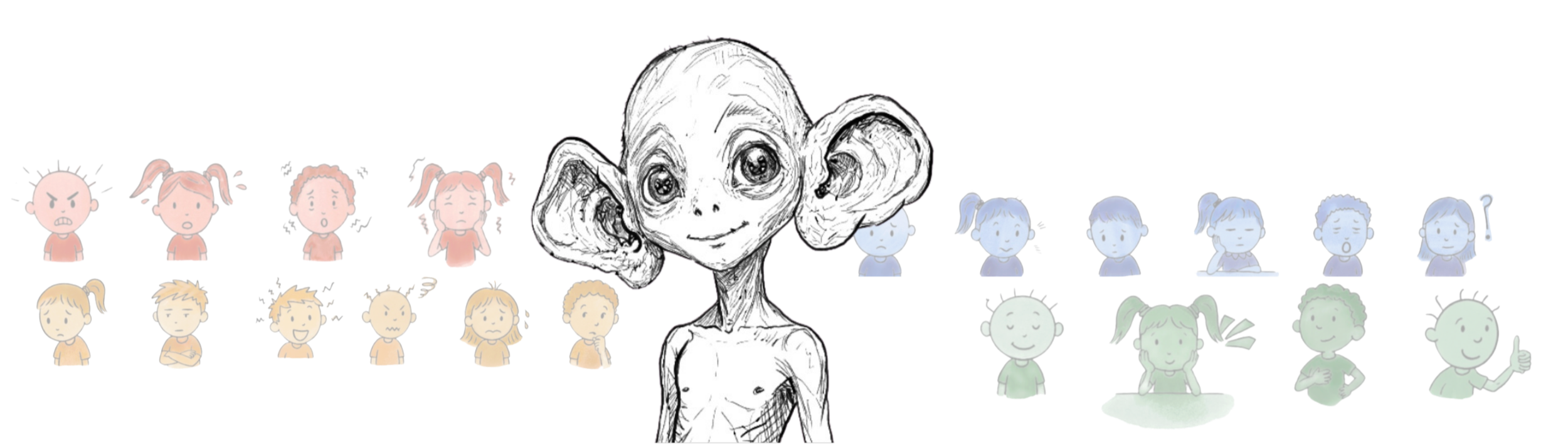
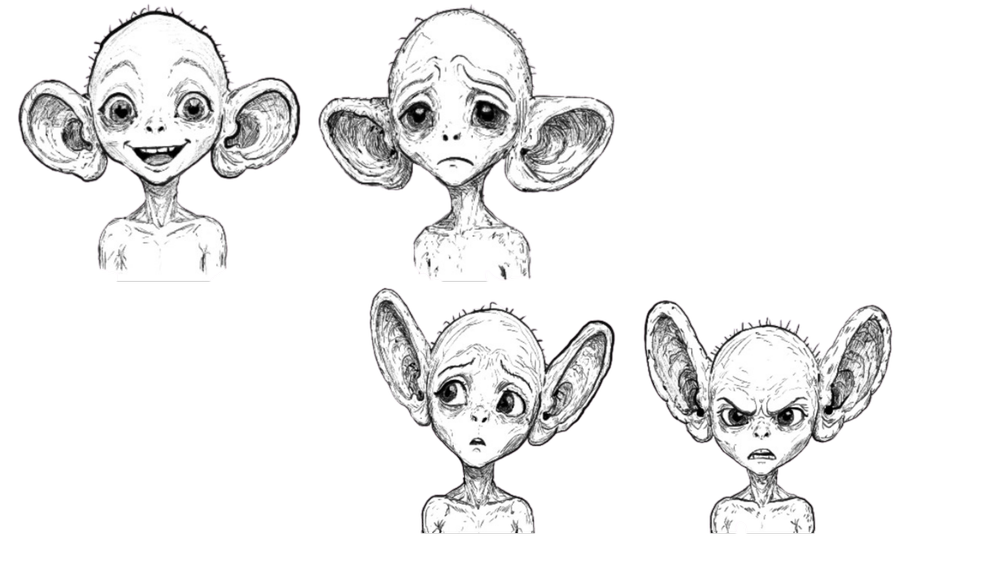
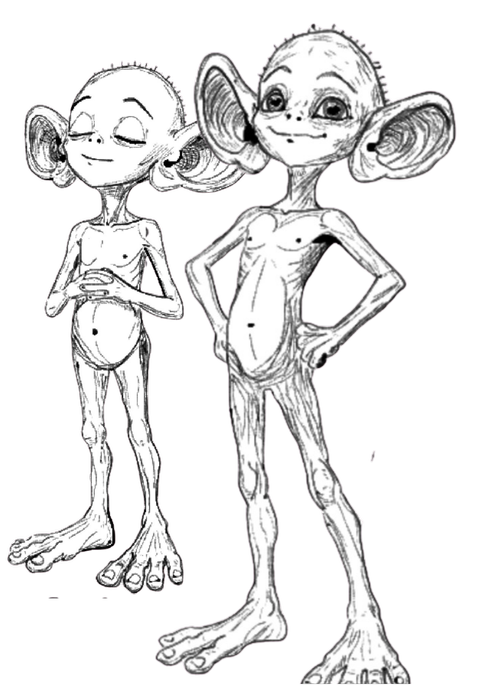
Make the learner the Earth expert. Make Glorb the newcomer.
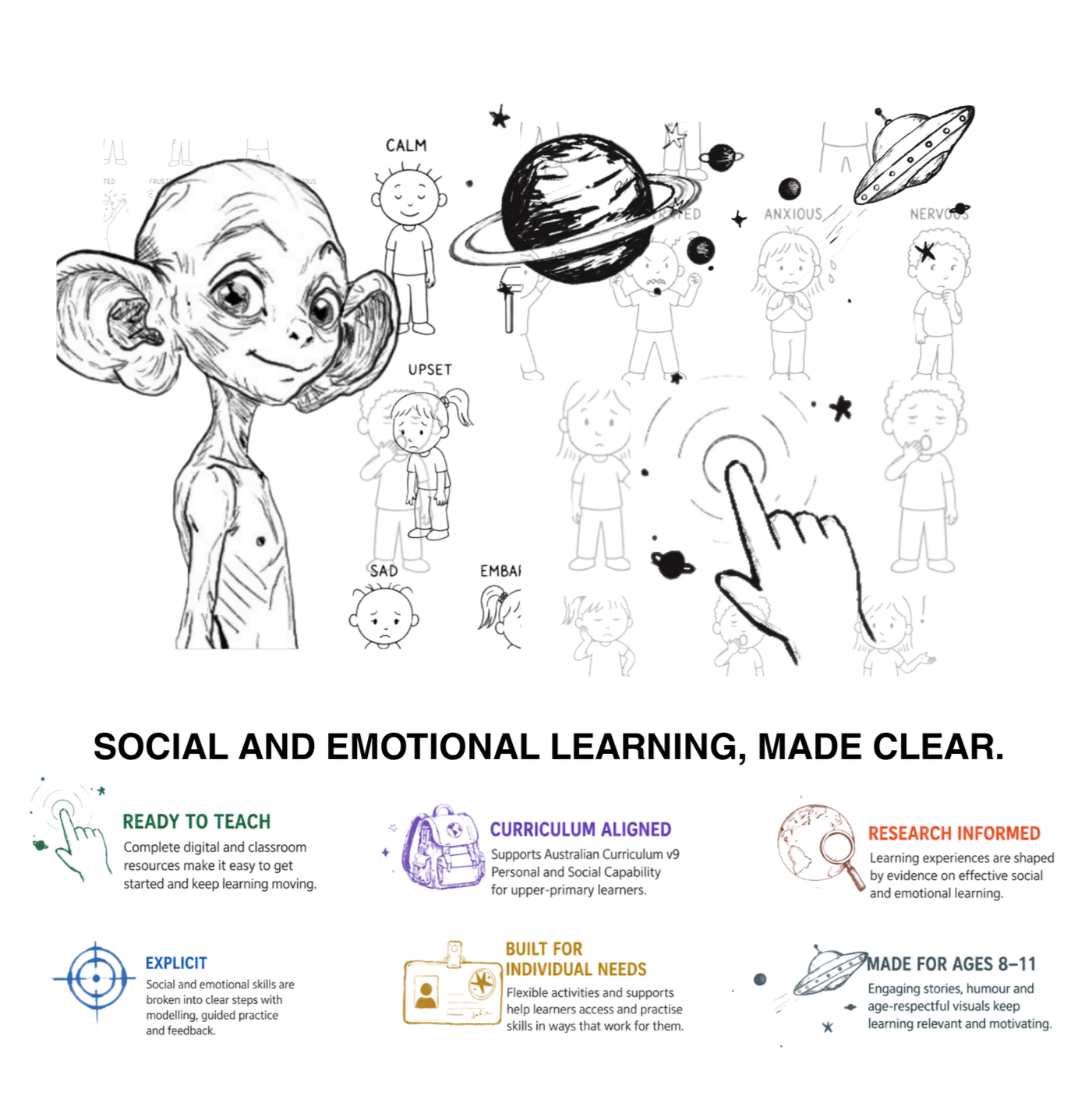
GLORB asks learners to help an alien understand Earth’s signals and social situations.
Positions the learner as active and knowledgeable
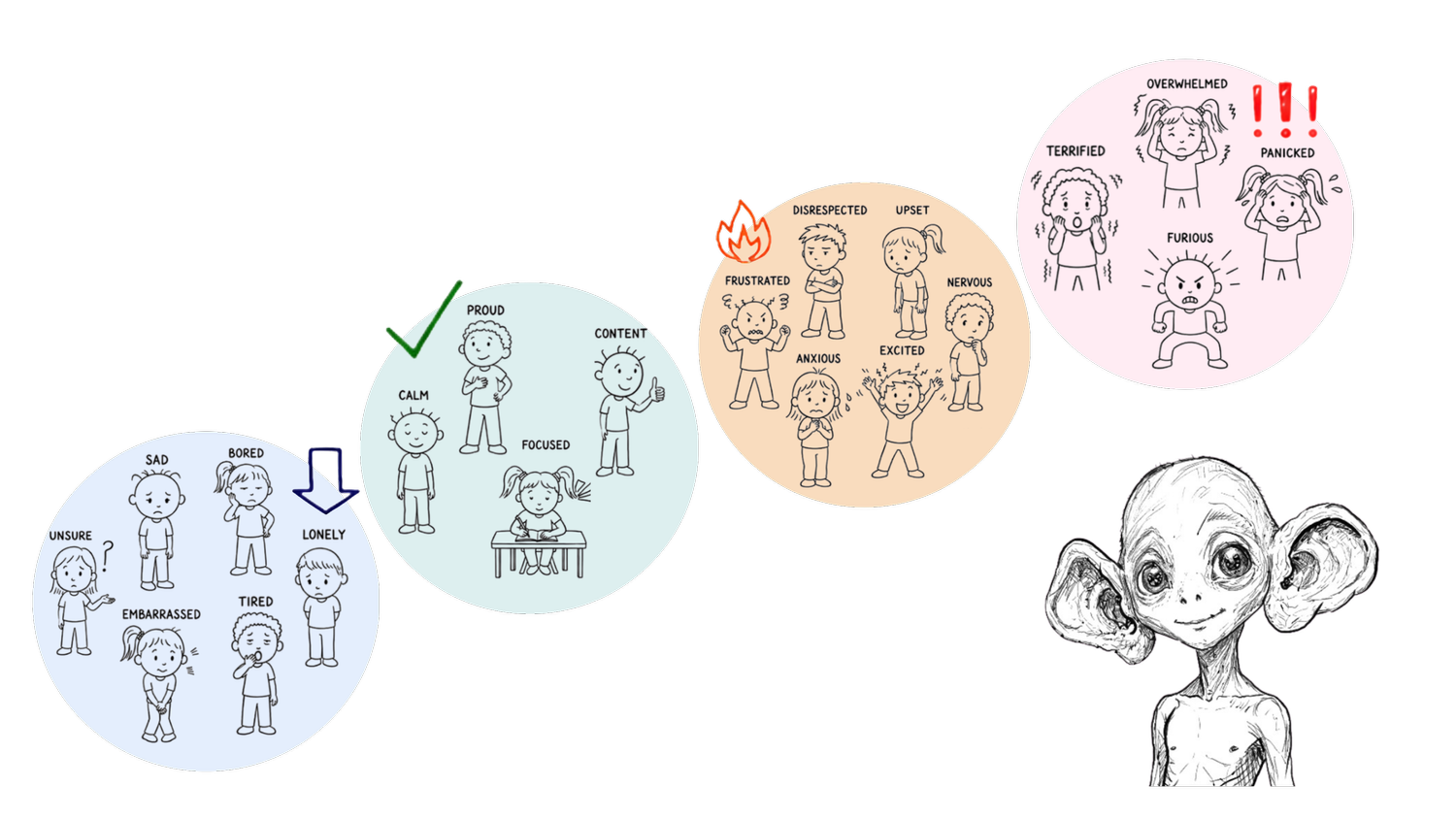
Makes changing emotions and social signals visible
Connects stories, interfaces and print through one character world

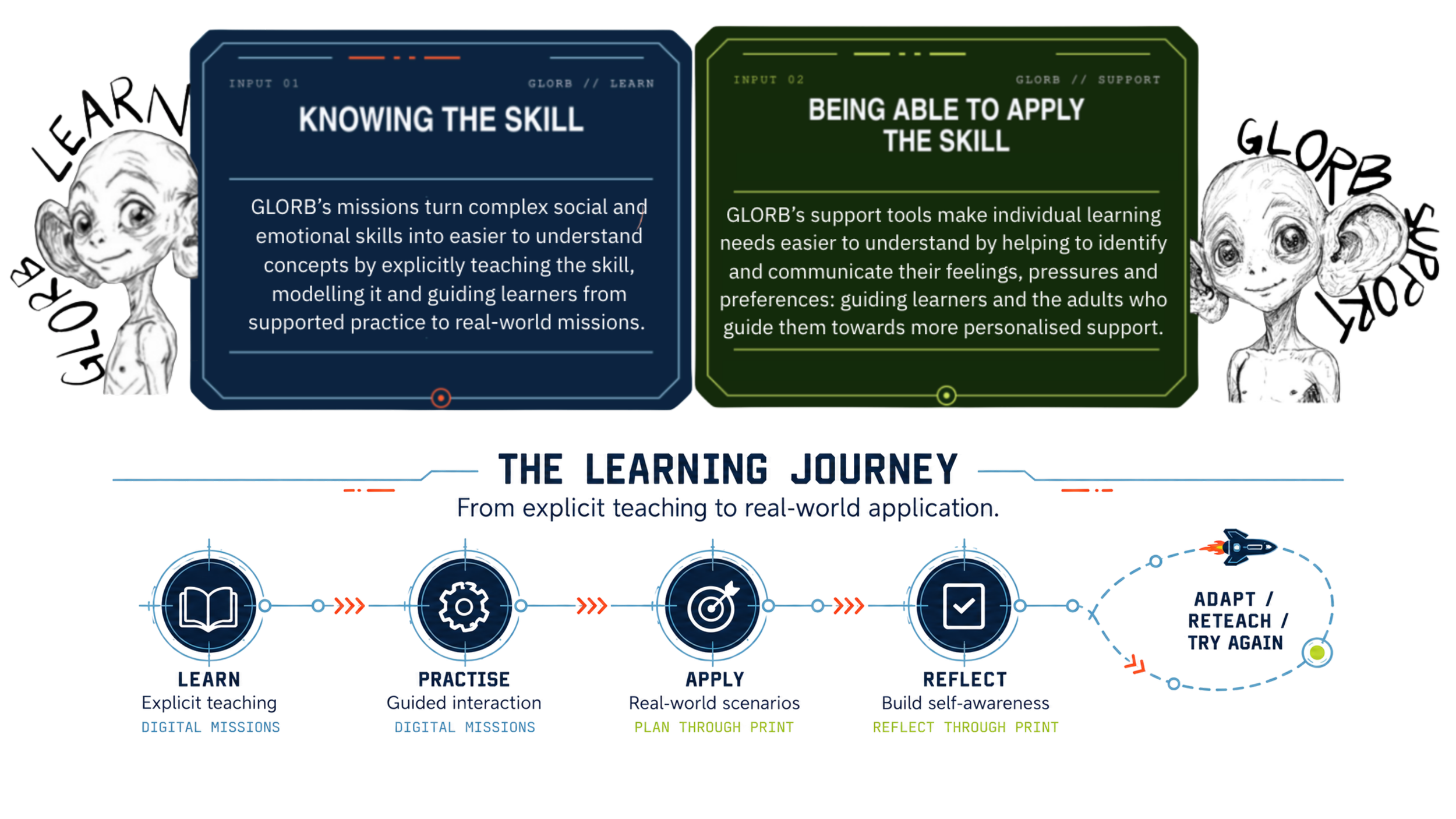
GLORB learning system architecture

Four responsive missions build from noticing signals to navigating social interaction.
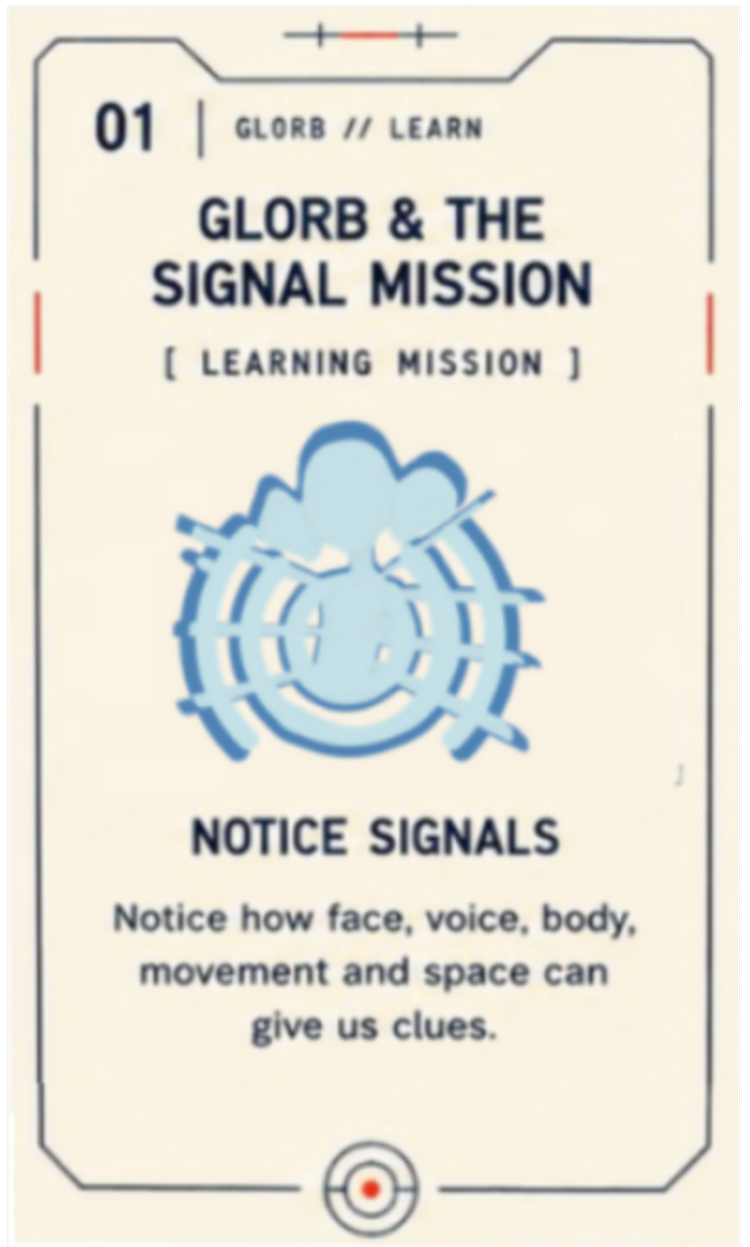
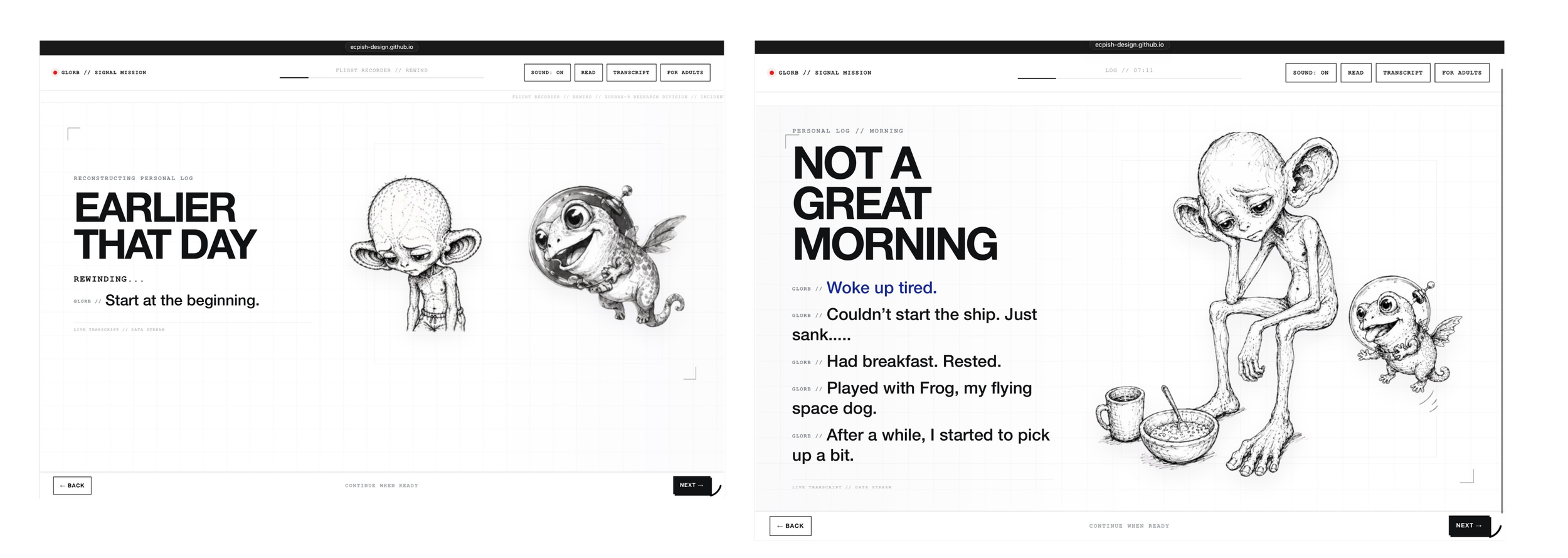
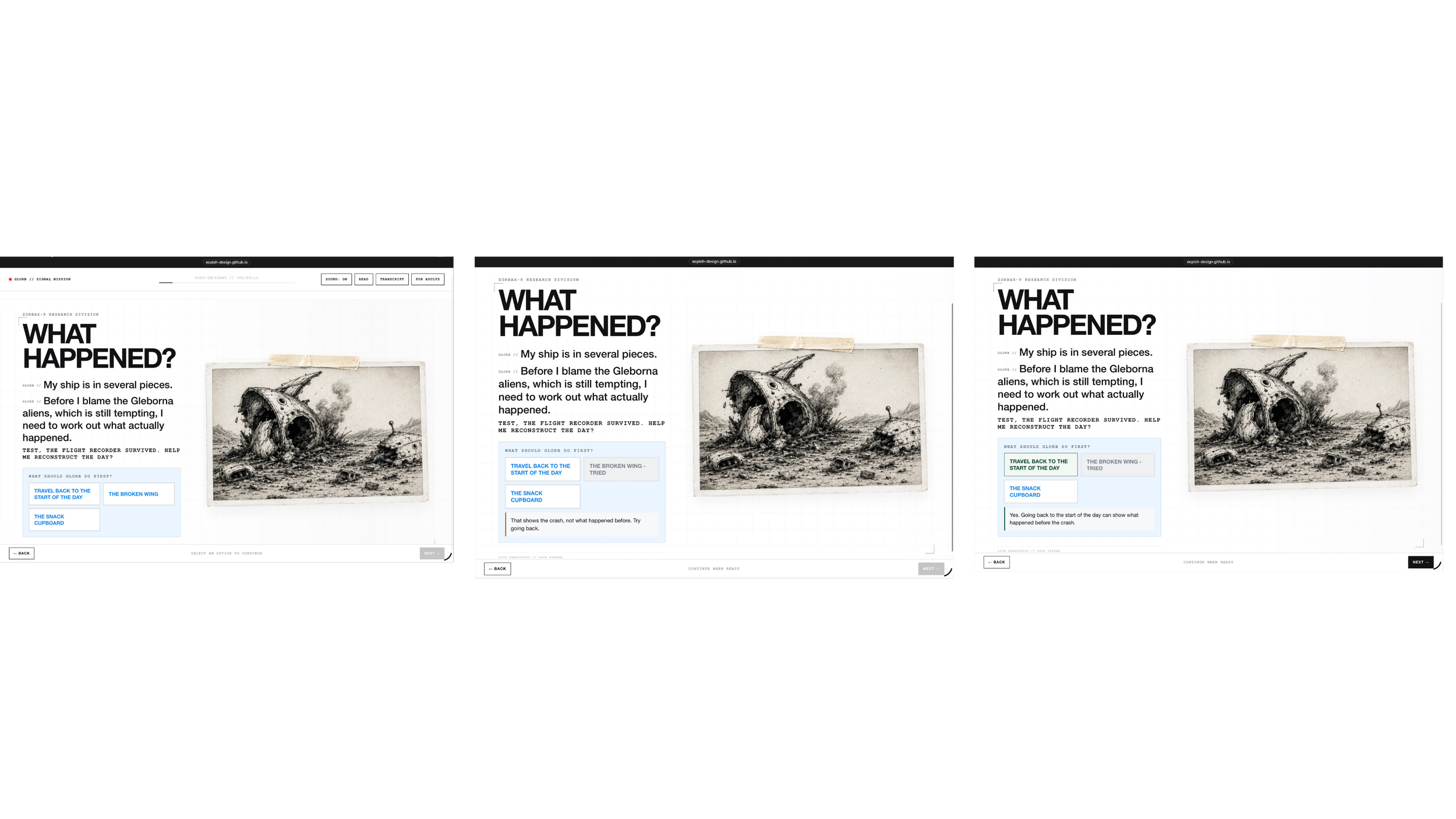
SIGNAL MISSION
Explore how face, voice, body, movement and space can provide useful clues.
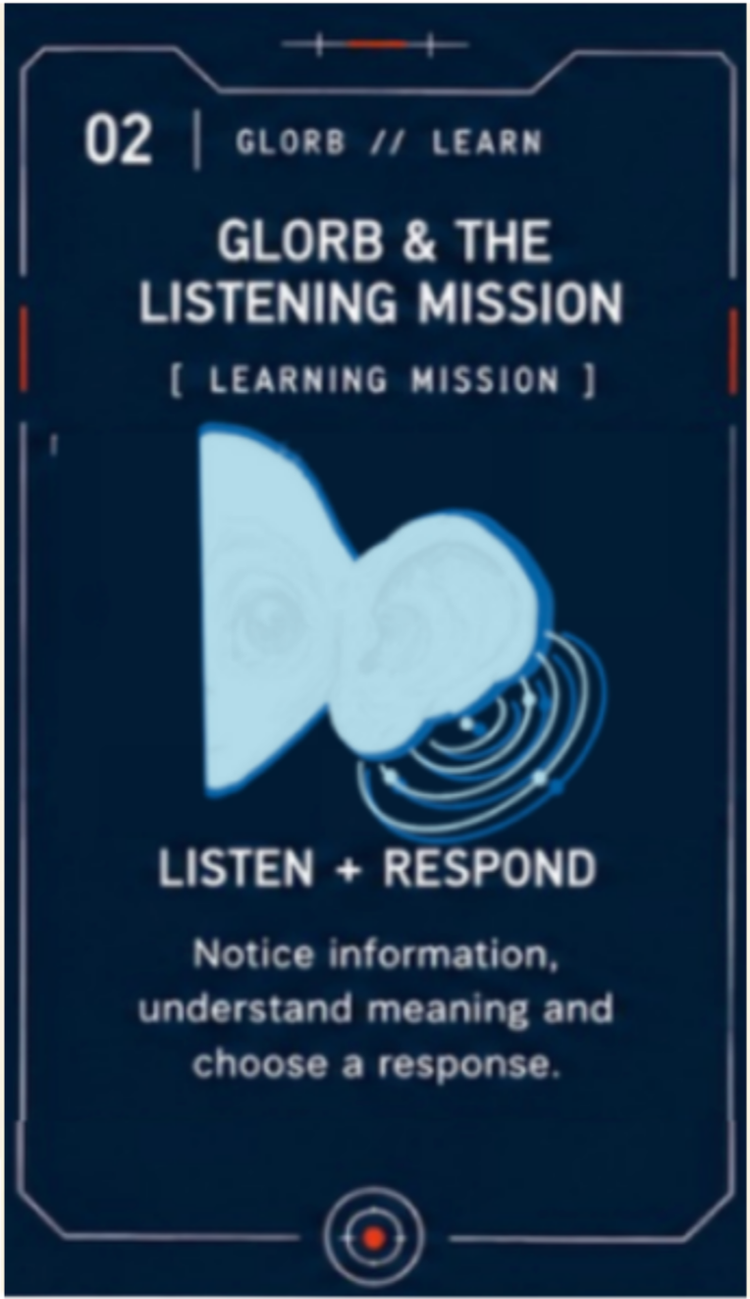
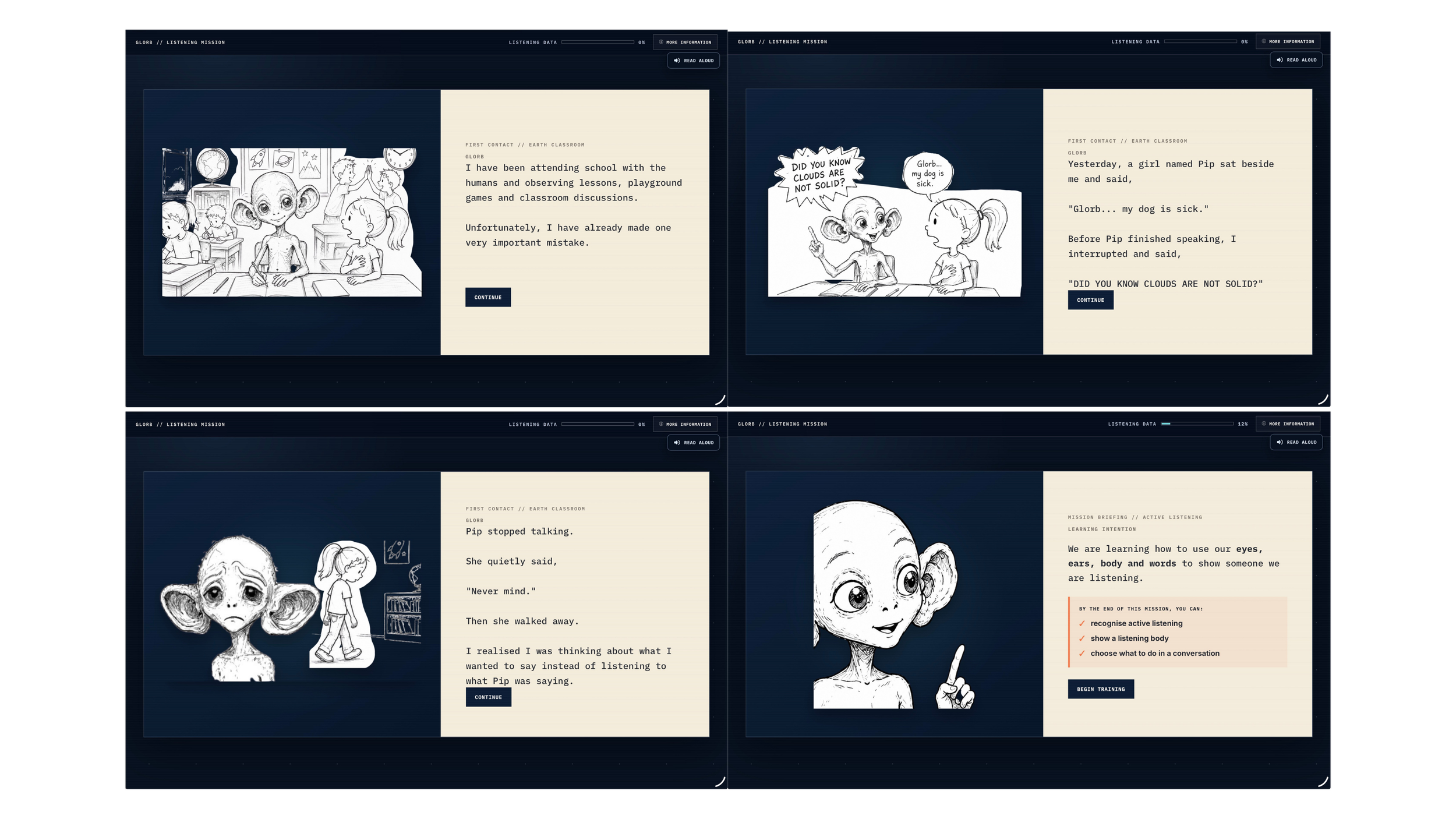
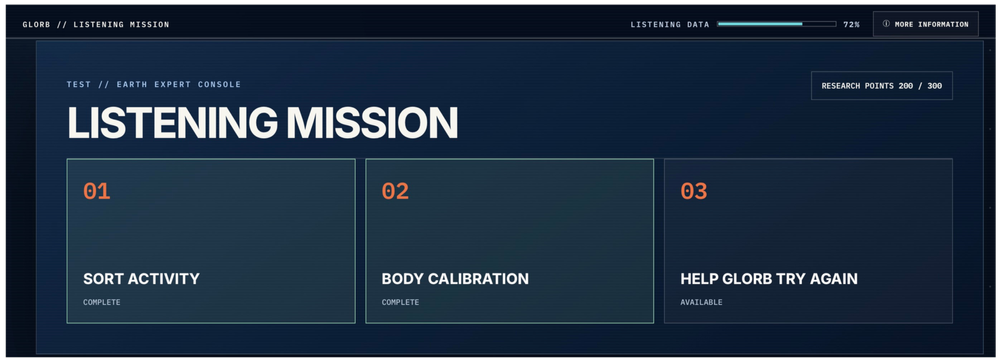
LISTENING MISSION
Notice information, understand meaning and choose a connected response.
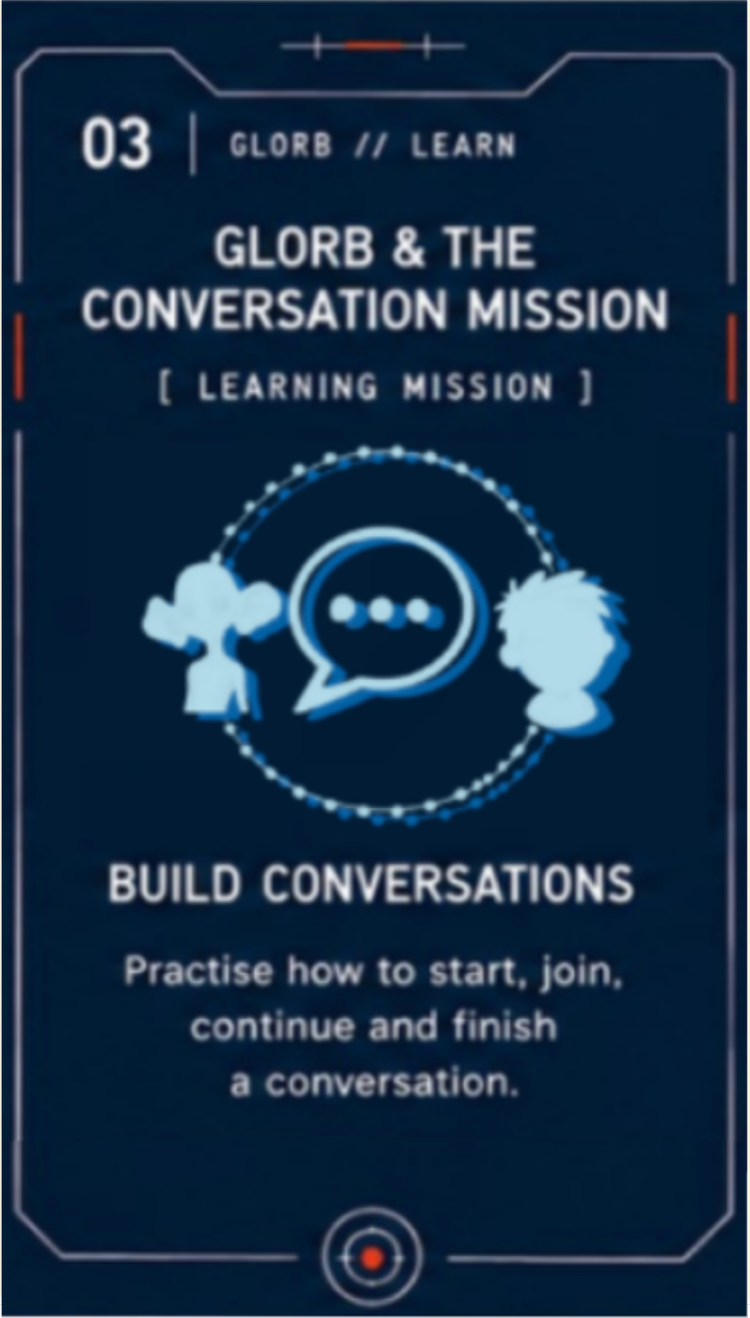
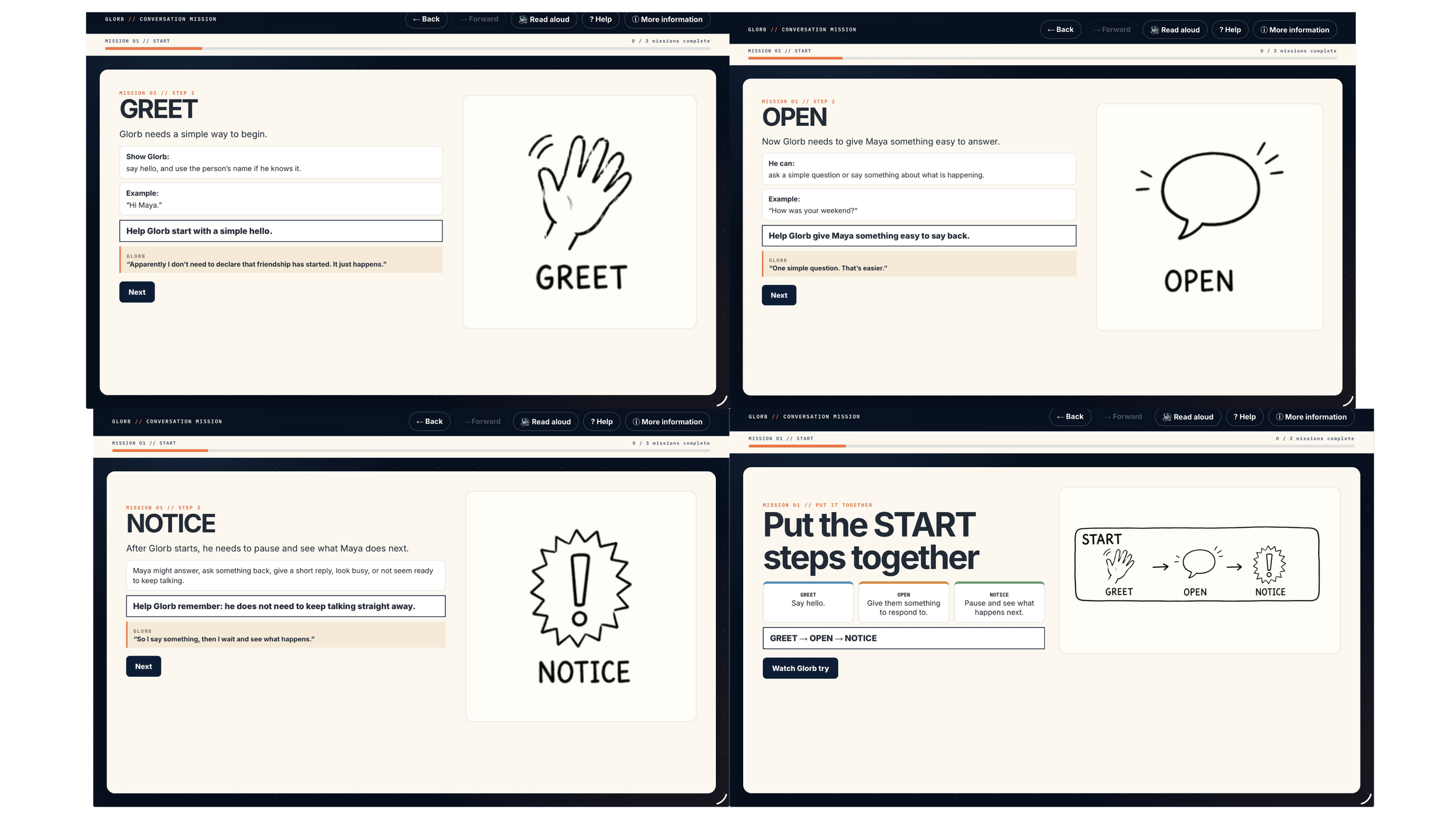
CONVERSATION MISSION
Practise starting, joining, contributing to and finishing conversations.
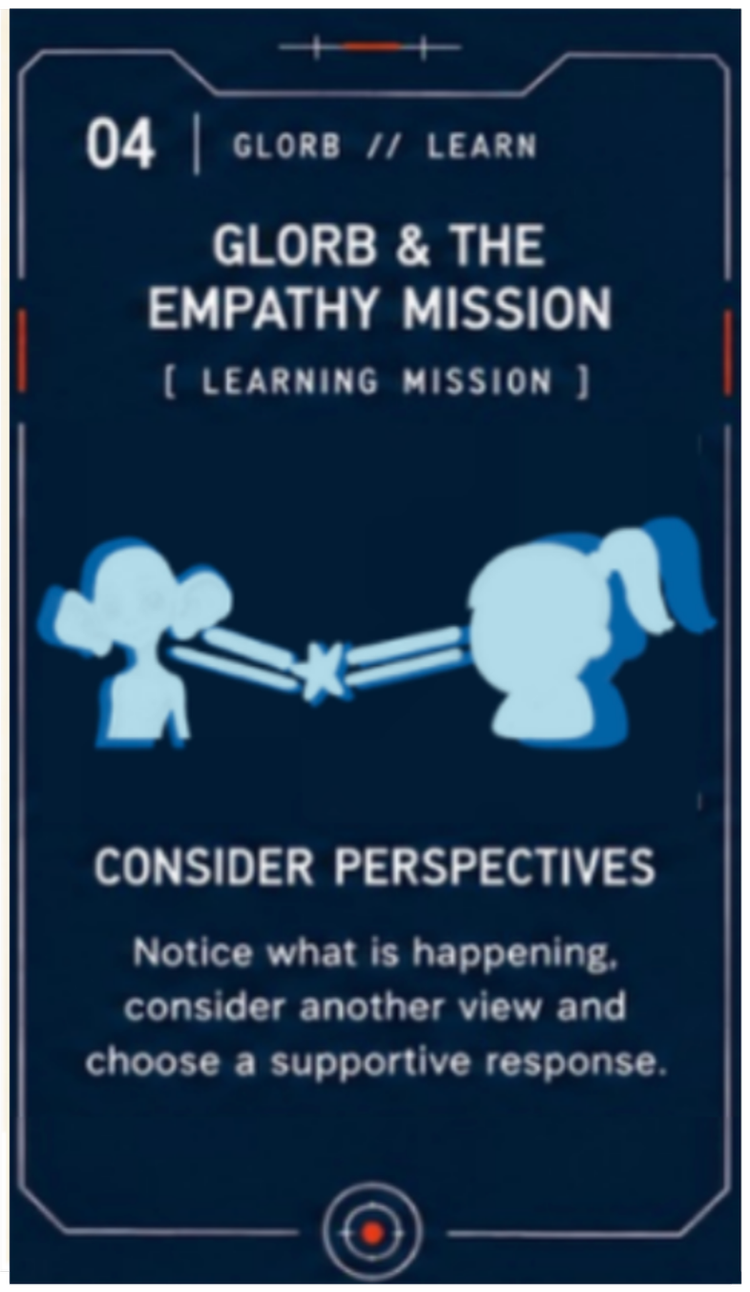
EMPATHY MISSION
Notice what is happening, consider another perspective and choose a supportive response.
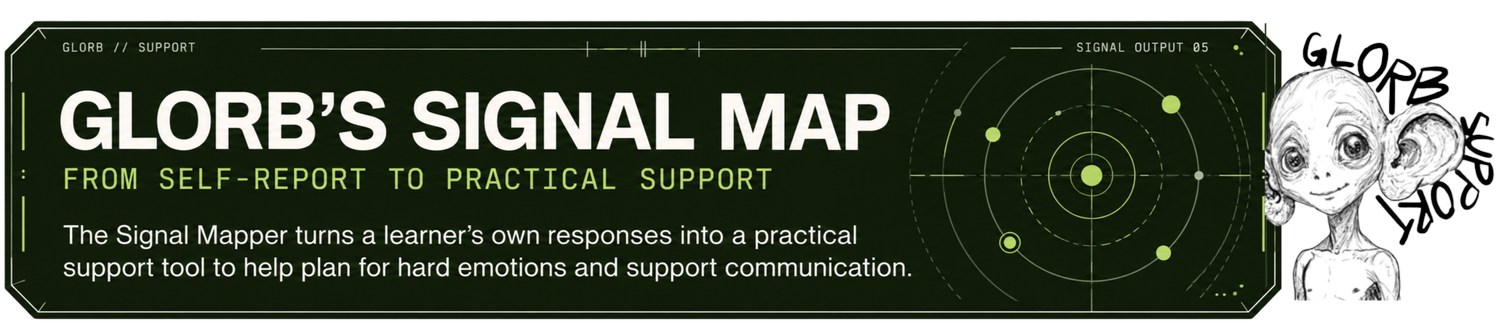
GLORB Signal Mapper
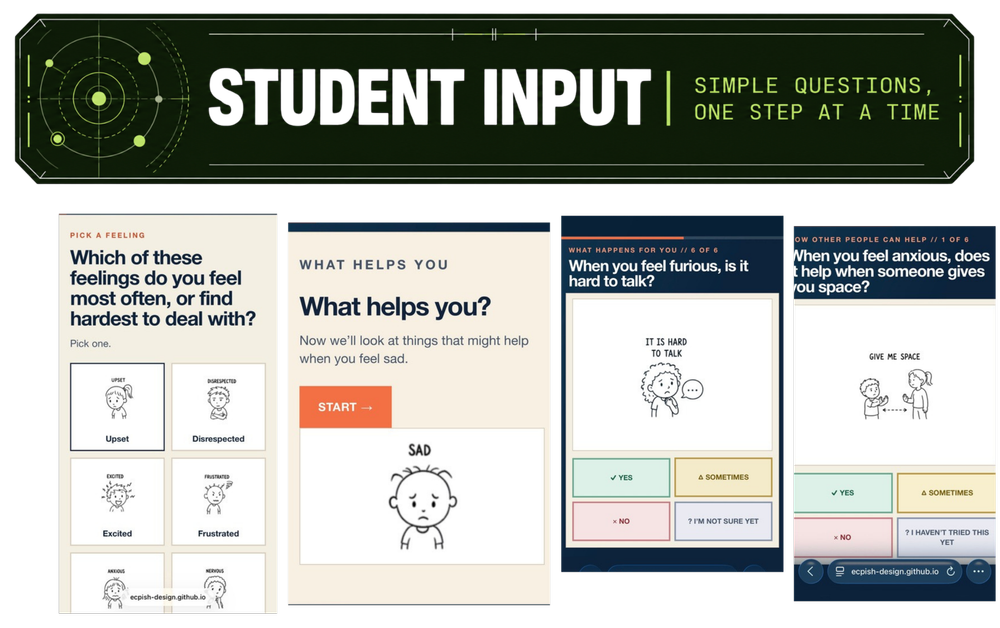
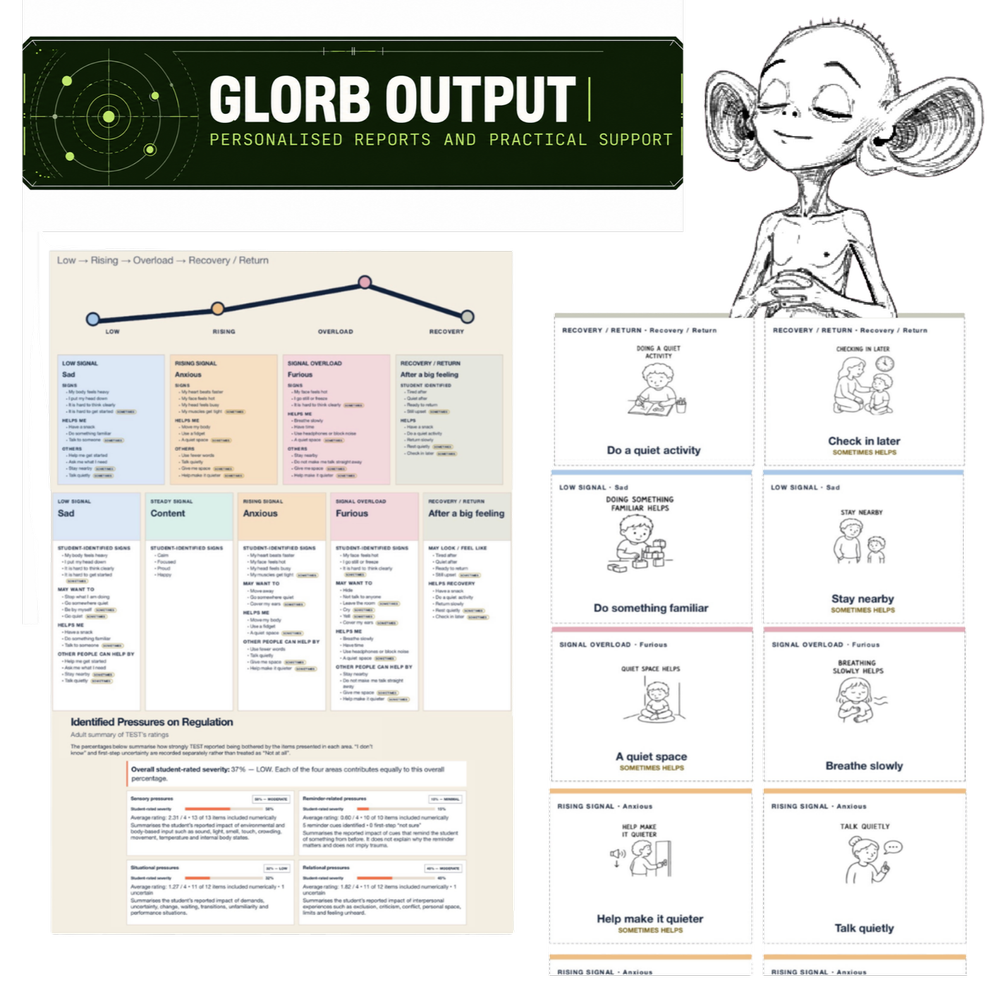
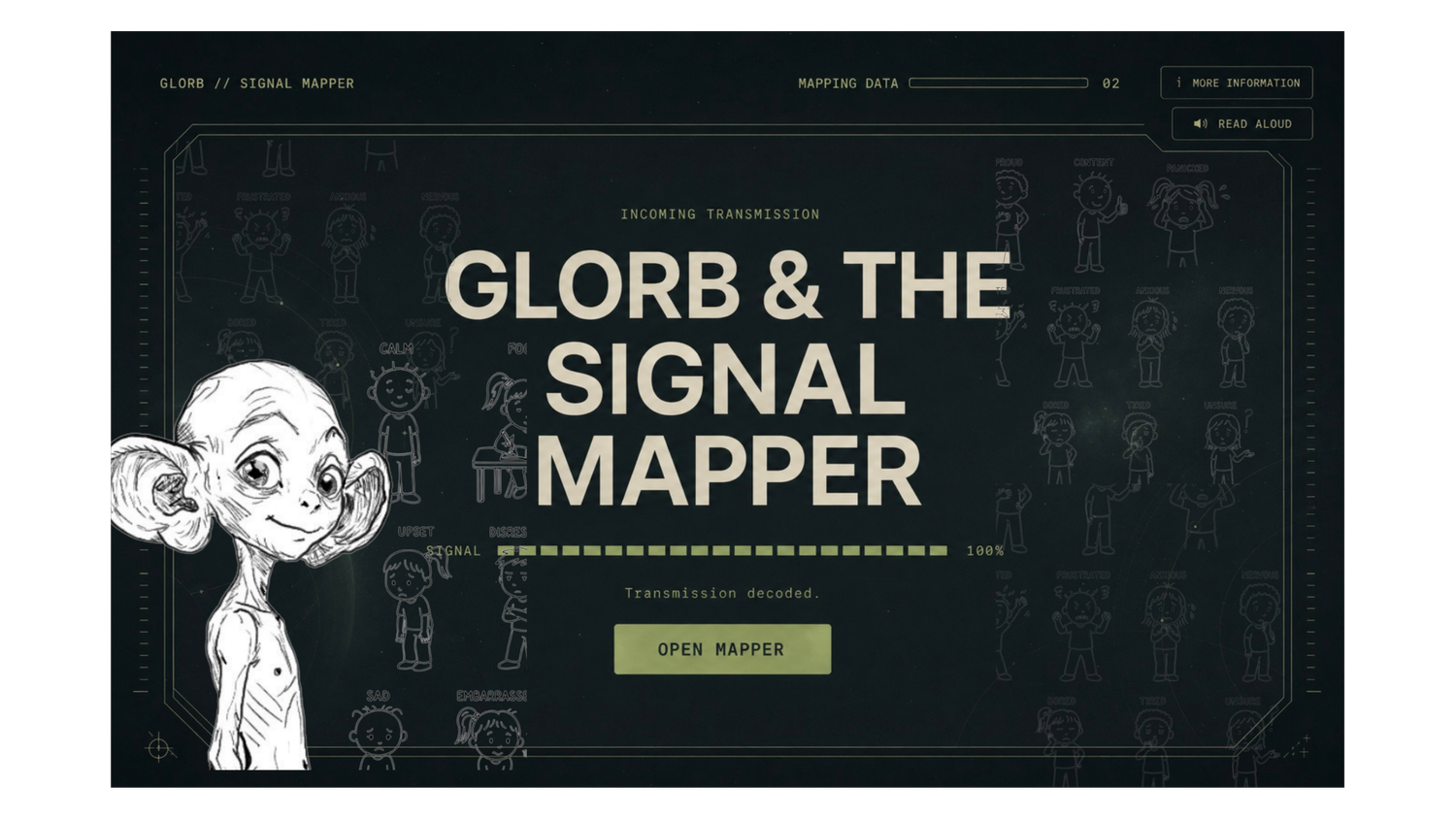
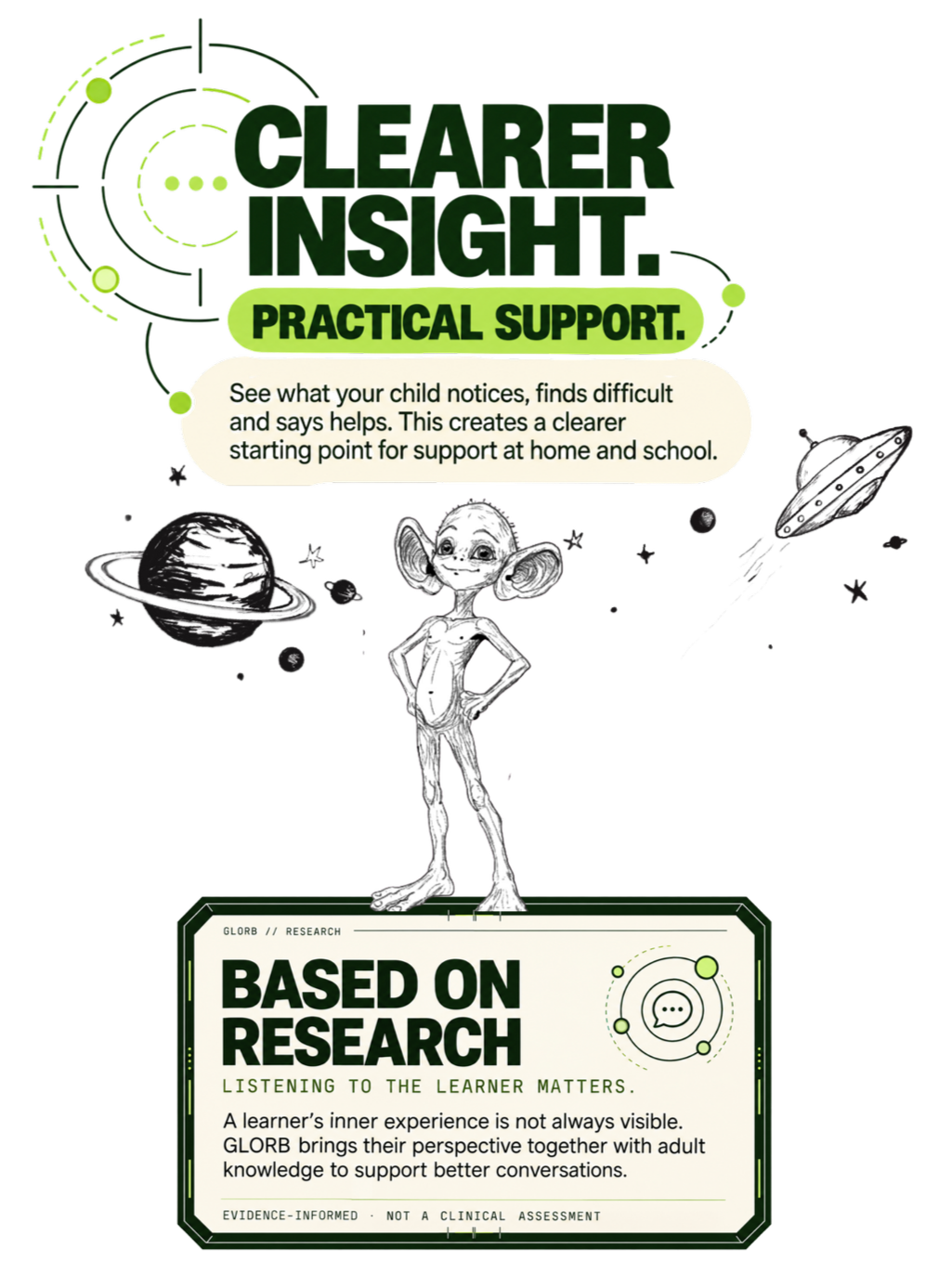
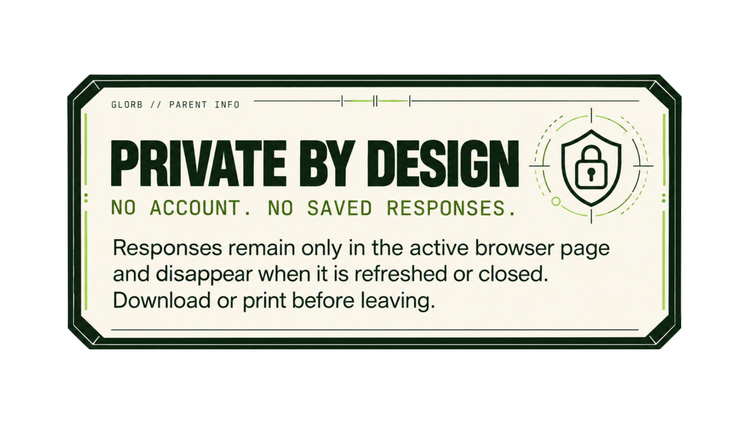
One shared interface system reduces unnecessary navigation and processing demands.
- One task at a time One meaningful task is presented on each screen.
- Consistent navigation Navigation, progress and button placement remain consistent.
- Read-aloud support Another way to access written instructions and story content.
- Keyboard access + large targets Controls support different ways of navigating and interacting.
- Colour + written labels Important information is not communicated through colour alone.
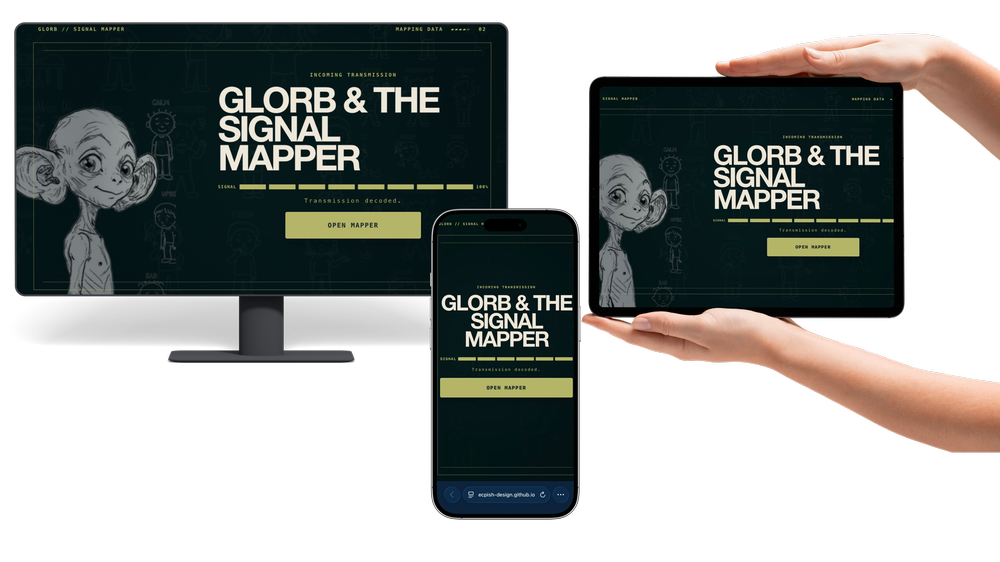
- Responsive layouts The learning sequence is preserved across desktop, tablet and mobile.
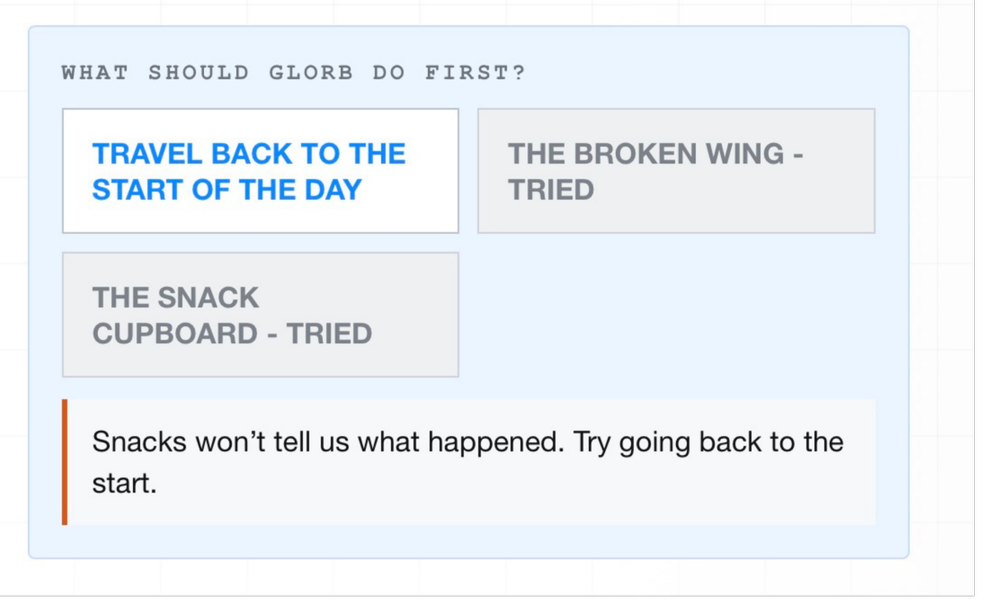
- Choice-specific feedback Feedback helps learners understand each decision and try again.
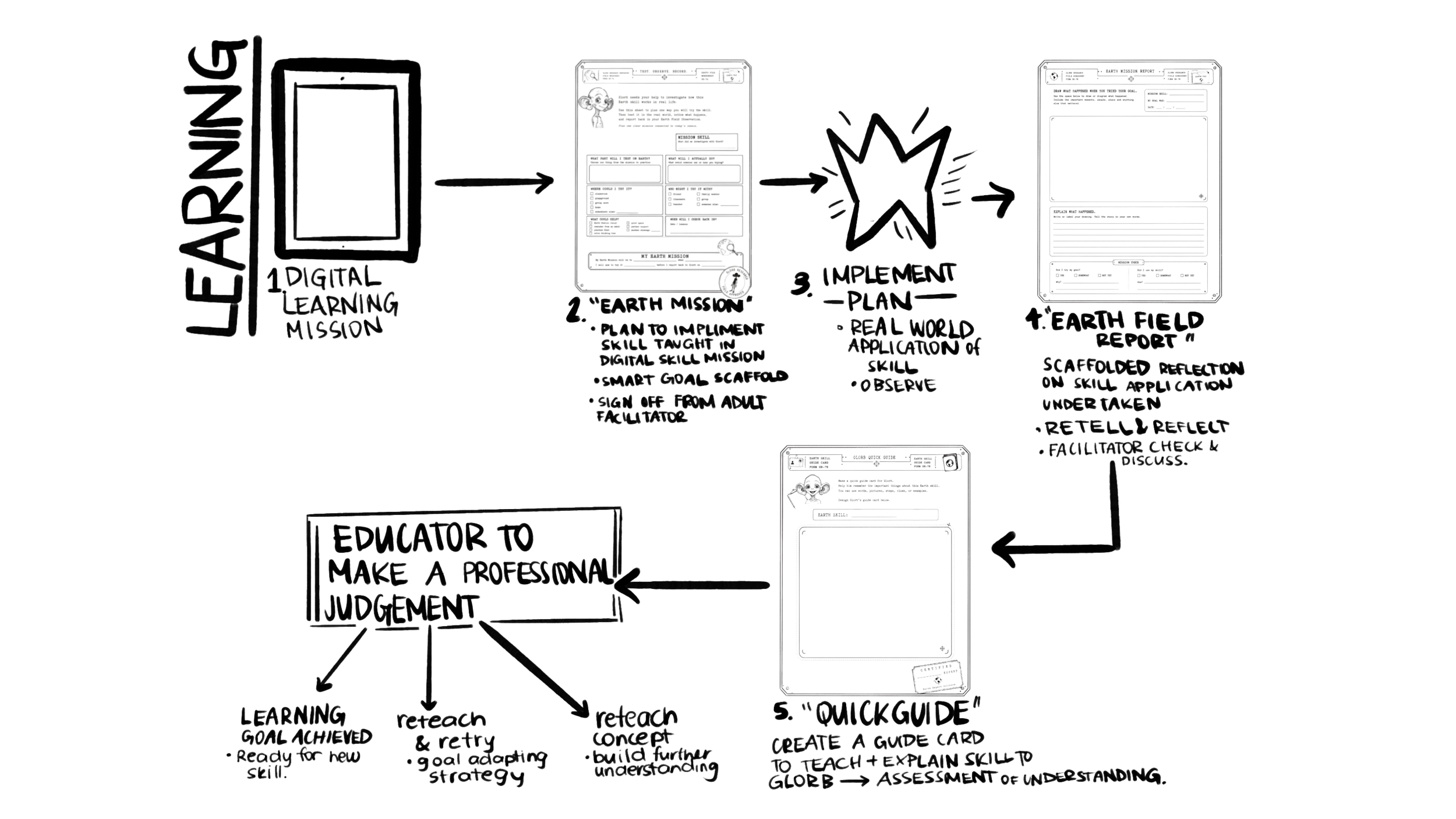
Every digital concept continues through planning, practice and reflection beyond the screen.
- Digital experiences introduce, model and rehearse the skill.
- Printable resources support planning, application and reflection.
- Classroom activities allow concepts to be discussed and adapted.
- Support cards help learners communicate what they notice and what helps.
- Retrieval and teach-back activities create repeated encounters with the same learning.
- Completion is treated as participation, not proof of real-world mastery.
DESIGN RULES
- Make the invisible visible.
- Teach before expecting.
- Reduce interface demand, not the thinking.
- Keep the learner’s voice visible.
Shared visual and interaction patterns make five browser-based tools read as one product family.
- Learning missions use a shared blue interface system.
- Support tools use green while retaining the same structural language.
- Mission cards repeat the same hierarchy, labels and curriculum placement.
- Navigation, progress, feedback and replay behaviours remain consistent.
- QR launch cards provide direct access from printed classroom resources.
- The responsive experiences were implemented through AI-assisted HTML, CSS and JavaScript workflows, then reviewed and refined for content, interaction, accessibility and brand consistency.
One learner-specific adjustment became a connected five-tool learning system.
GLORB now includes four responsive learning missions, one personalised support tool and printable resources for learners, families and educators. Initial implementation received positive learner and parent responses and prompted requests from other teachers. Broader classroom testing and evaluation are the next stage.
THE DIGITAL SYSTEM
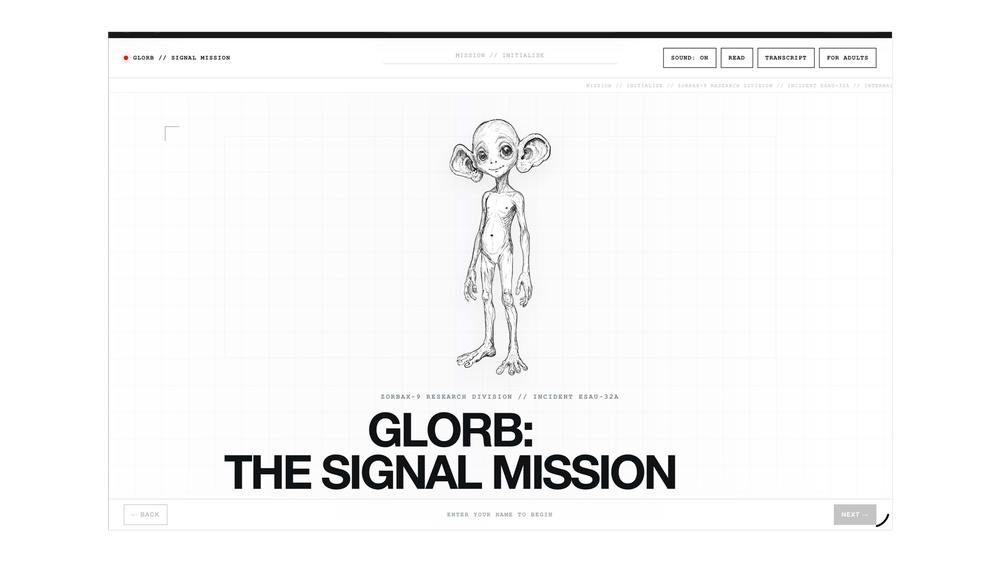
GLORB: THE SIGNAL MISSION | INTERACTIVE SEL LEARNING EXPERIENCE
Story-led digital learning experience introducing the GLORB Signal System through explicit teaching, guided interaction + feedback.
Notice body + behaviour signals · Recognise changes in activation · Connect signals to regulation support + strategies
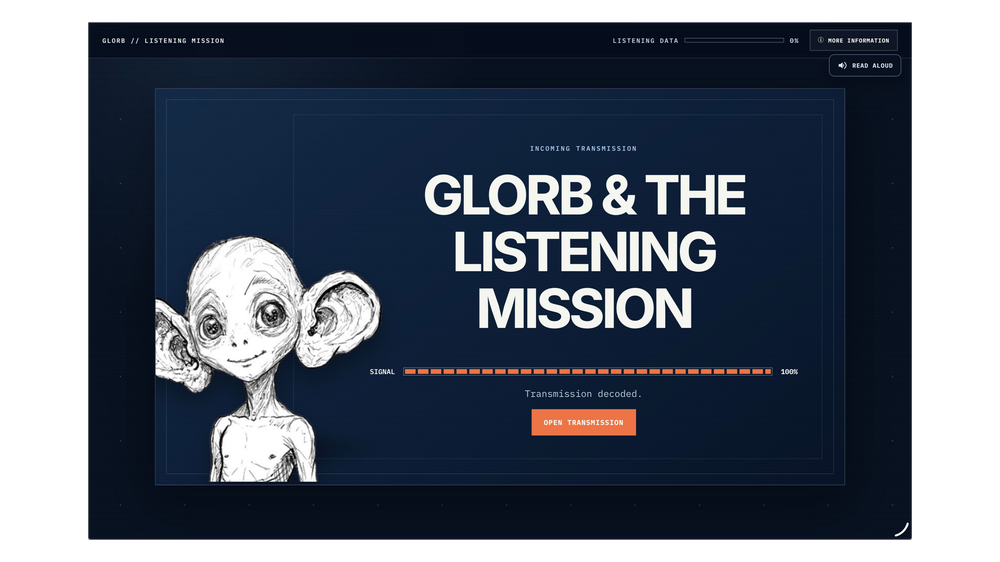
GLORB & THE LISTENING MISSION | INTERACTIVE SEL LEARNING EXPERIENCE
Story-led digital learning experience teaching listening as an active process of noticing, processing + responding to information.
Notice verbal + non-verbal information · Orient attention to the speaker · Identify key information · Check · Respond · Understand
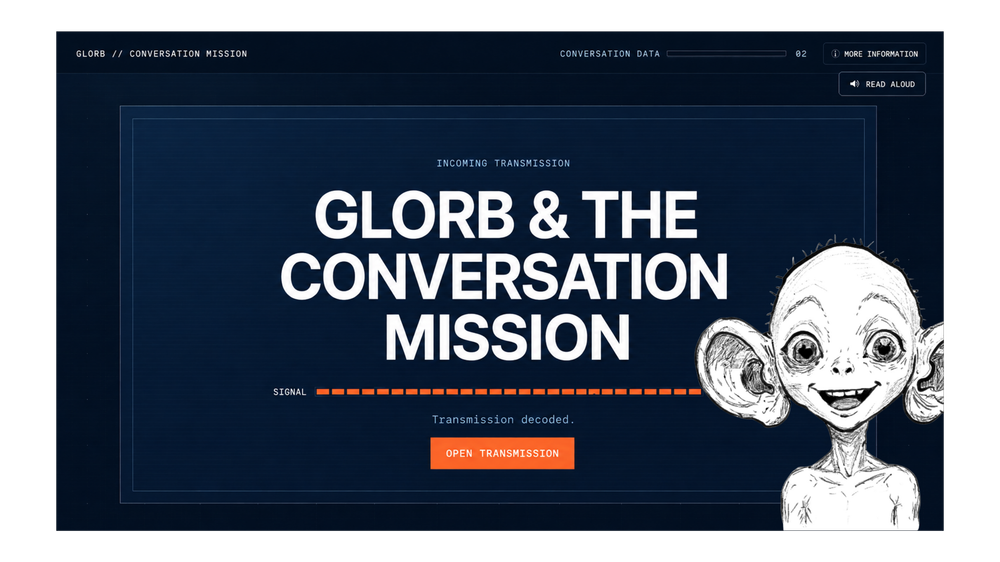
GLORB & THE CONVERSATION MISSION | INTERACTIVE SEL LEARNING EXPERIENCE
Story-led digital learning experience teaching the key steps involved in starting, joining, contributing to + ending conversations.
Start · Join · Contribute · Ask relevant questions · Notice the other person · End the conversation
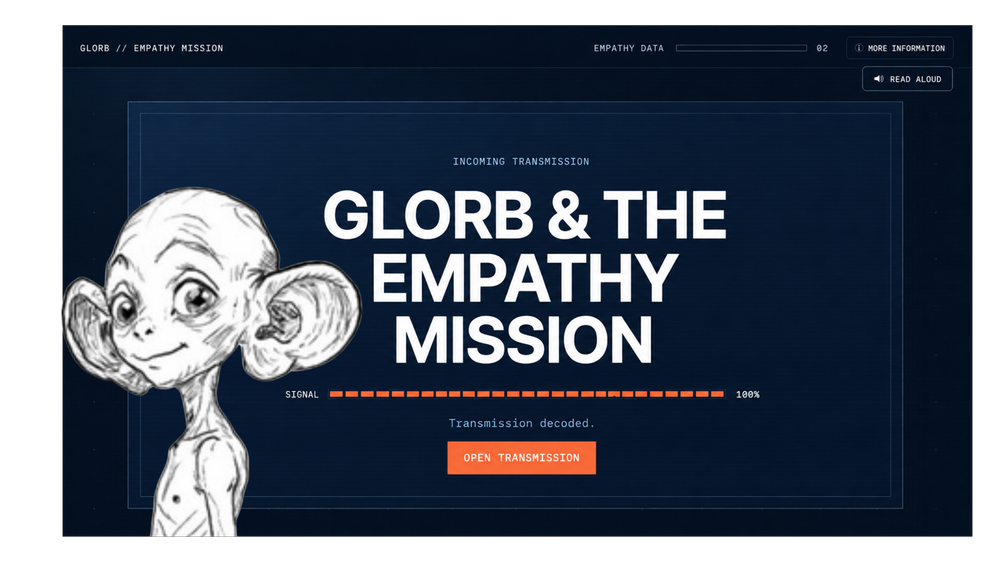
GLORB & THE EMPATHY MISSION | INTERACTIVE SEL LEARNING EXPERIENCE
Story-led digital learning experience teaching empathy as a process of noticing information, making a careful guess, checking + responding.
Notice signs of emotion · Make a careful guess · Check if unsure · Listen · Help · Respond across different scenarios
GLORB & THE SIGNAL MAPPER | DIGITAL SELF-AWARENESS + SUPPORT TOOL
Student-led digital mapping tool designed to make individual emotional patterns, regulation needs + helpful supports easier to identify and communicate.
Map feelings + signals · Identify patterns + actions · Explore pressures · Record self-help + adult support · Generate student + educator resources